The Difference Between a Financial Plan and a Financial Pattern
Jul 13, 2026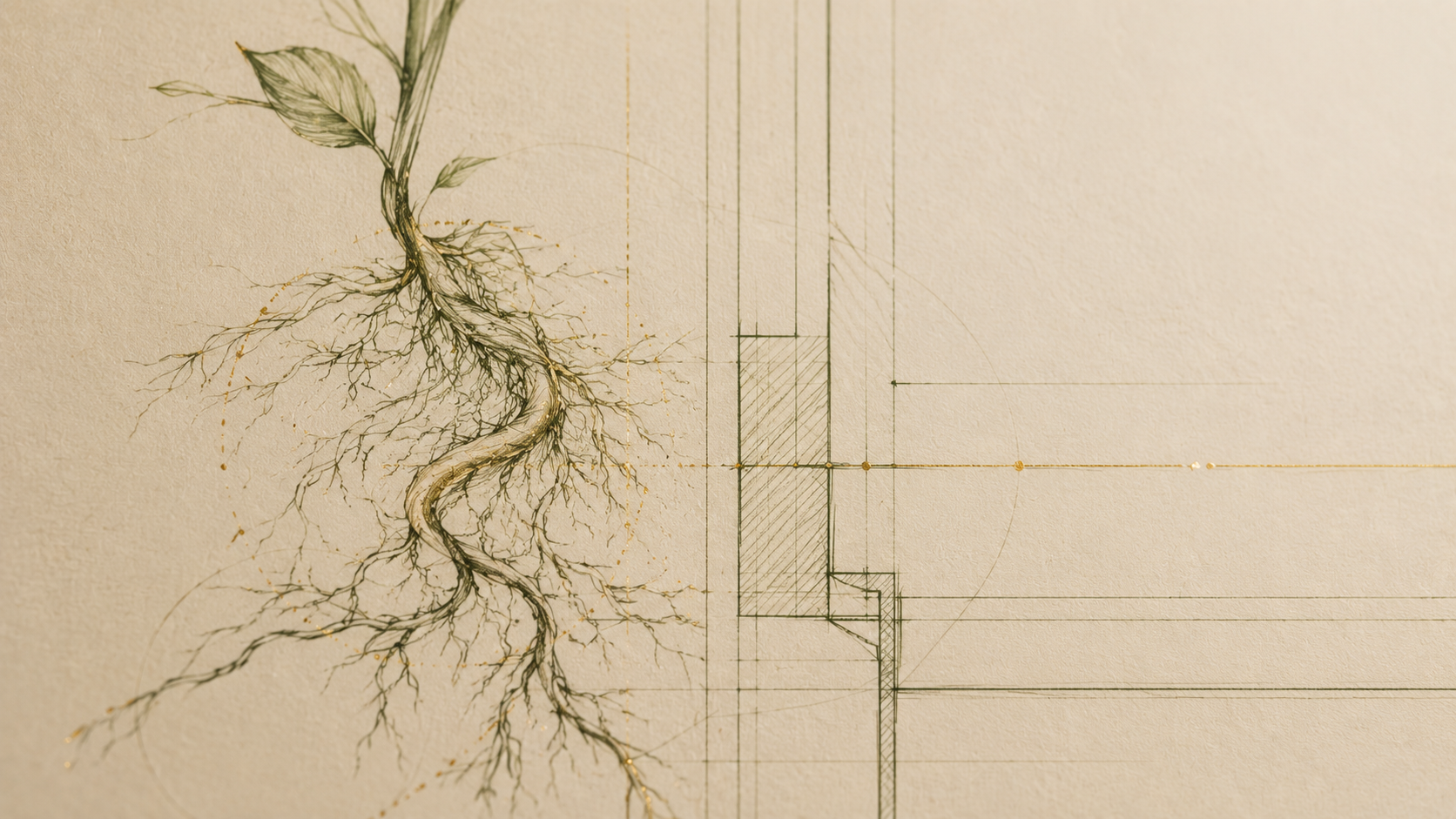
A financial plan and a financial pattern are not the same thing, and confusing the two is one of the quietest reasons good plans fall apart.
A plan is the structure. It is the contribution schedule, the asset mix, the timeline, the decision tree for what happens if this or that occurs. A plan can be written down, reviewed, and adjusted. It lives on paper and in spreadsheets, and it is the part of financial life that most people think of when they think of financial planning at all.
A pattern is something else. It is the set of instincts you bring to the plan. It is what you actually do when the market drops, when an unexpected bill arrives, when someone you love needs money you were saving for yourself. The pattern is older than the plan. It was formed by your history, your family, the things you absorbed about money before you had any of your own. And here is the part worth sitting with: when the plan and the pattern disagree, the pattern usually wins.
This is why two women with nearly identical plans can end up in very different places. One has a pattern that supports her plan. The other has a pattern that quietly undermines it, not through any failure of intelligence or discipline, but because the instinct runs deeper than the intention.
Working with both is what makes the difference. The plan answers the question of what to do. The pattern answers the question of what tends to get in the way, and what to build so that the plan survives contact with real life and real feeling. A woman who knows she reaches for control under stress can build in a pause before big decisions. A woman who knows she cuts her own line first can automate her retirement contribution so it happens before she has the chance to give it away. The structure and the instinct are addressed as two separate things, because they are two separate things.
There is a related distinction worth naming. The pattern that describes how you handle money day to day is not the same as the wound that a hard financial experience may have left behind. A pattern is how you tend to operate. A wound is something that asks to heal. They run alongside each other, and treating them as identical tends to shortchange both. The plan addresses the structure. The pattern addresses the instinct. The healing, when it is needed, addresses the hurt. Each deserves its own attention.
None of this requires you to become a different person before your money can work. It requires the opposite. It requires seeing clearly who you already are, so the plan you build is one that the real you can actually live with. A plan made for a stranger will not hold. A plan made for you, pattern and all, is the kind that lasts.
